
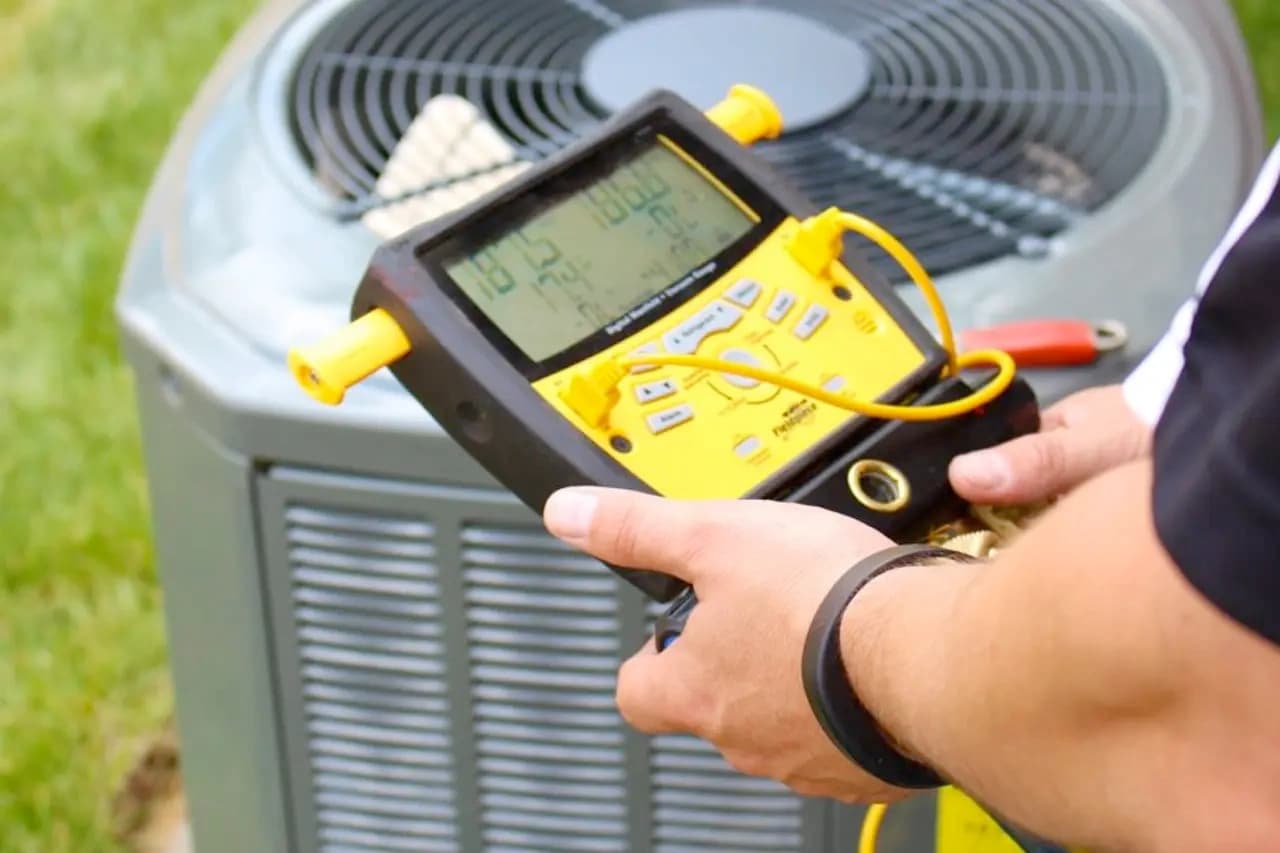
Why Start the Year With an Energy Audit
January is when Southern California Edison bills from December's heating and November's transition costs land in mailboxes. It's also the ideal time to walk through your home with fresh eyes and identify the efficiency losses you've been paying for. The U.S. Department of Energy's DIY home energy assessment guide is a solid foundation, but this checklist adapts it for the specific realities of Riverside County housing stock.
Section 1: The Envelope
Your home's envelope — walls, roof, windows, and doors — determines how hard your HVAC has to work. Losses here dwarf everything else.
- Attic insulation: Pull down the attic stairs and look. If you see joists, you have less than R-19. Inland Empire homes should be at R-38 or higher.
- Weatherstripping: On a windy day, run your hand around door and window frames. Any draft = money leaking.
- Recessed lights: Old non-IC-rated cans dump conditioned air straight into the attic. LED retrofits with airtight trim are cheap fixes.
- Attic hatch: Usually the single largest air leak in a home. Weatherstrip and insulate it.
Section 2: The HVAC System
Even a perfectly sealed home wastes energy with an inefficient HVAC system.
- Age of equipment: Anything over 12 years old should be evaluated for replacement. Modern systems are 30–50% more efficient. Our AC installation team can quote a right-sized replacement.
- Last professional tune-up: If it's been more than 12 months, schedule HVAC maintenance.
- Duct condition: Peek into the attic. Are duct joints sealed? Any obvious tears? Leaky ducts waste 20–40% of your HVAC's output.
- Thermostat schedule: If you're not using programmed setbacks, you're leaving 10%+ savings on the table.
Section 3: Water Heating
Water heating is the second-biggest energy load in most Inland Empire homes.
- Water heater age: Tank heaters over 10 years old are candidates for replacement — often with a heat pump or tankless model that cuts operating costs by 50%.
- Hot water pipe insulation: The first 6 feet of hot water pipe out of the heater should be insulated. Foam sleeves cost pennies.
- Water heater temperature: Should be set to 120°F. Anything higher wastes energy.
Section 4: Lighting and Appliances
- LED conversion: Any incandescent or halogen bulbs still in service? Replace them. Payback is under a year.
- Refrigerator seal: Slip a dollar bill in the door. If it slides out easily, replace the gasket.
- Phantom loads: Electronics that draw power when "off" can add 5–10% to your bill. Smart power strips solve this.
Section 5: The Big-Picture Upgrades
Once you've done the basics, consider the compounding upgrades:
- Solar: Federal tax credits still cover 30% of installation costs through 2032. Details in our solar panel buying guide.
- Heat pump HVAC: Modern cold-climate heat pumps outperform traditional gas furnace + AC combos in Inland Empire climates.
- Whole-home energy monitor: Devices like Sense track exactly which circuits are drawing power — invaluable diagnostic data.
Book a Professional Assessment
DIY audits catch 60–70% of the opportunities. A professional load calculation and duct pressure test catches the rest — and quantifies exactly what each upgrade will actually save. Schedule a full HVAC efficiency assessment or call (951) 331-3310. Every visit includes a written report with prioritized recommendations and honest cost estimates.
About the Author
Justin Jaszewski
Co-Founder & NATE-Certified Technician
Justin is the co-founder of It's No Sweat Heat & Air and a NATE-certified HVAC technician with over 25 years of hands-on experience across Moreno Valley and the Inland Empire. He leads the company's technical standards, trains every technician on the team, and personally inspects complex installations. Justin holds California HVAC license #1058772 and specializes in residential system design, load calculations, and energy-efficiency upgrades.