The Most Expensive Problem Nobody Sees
Your air conditioner might be working perfectly. The compressor is healthy, the charge is correct, the coil is clean — and you're still losing a third of the cold air it produces into a 150°F attic. That's not a hypothetical. The Department of Energy estimates typical duct losses at 20 to 30 percent of conditioned air, and Inland Empire attics — hotter than most of the country — make every leak cost more.
Why Duct Leakage Is Worse Here
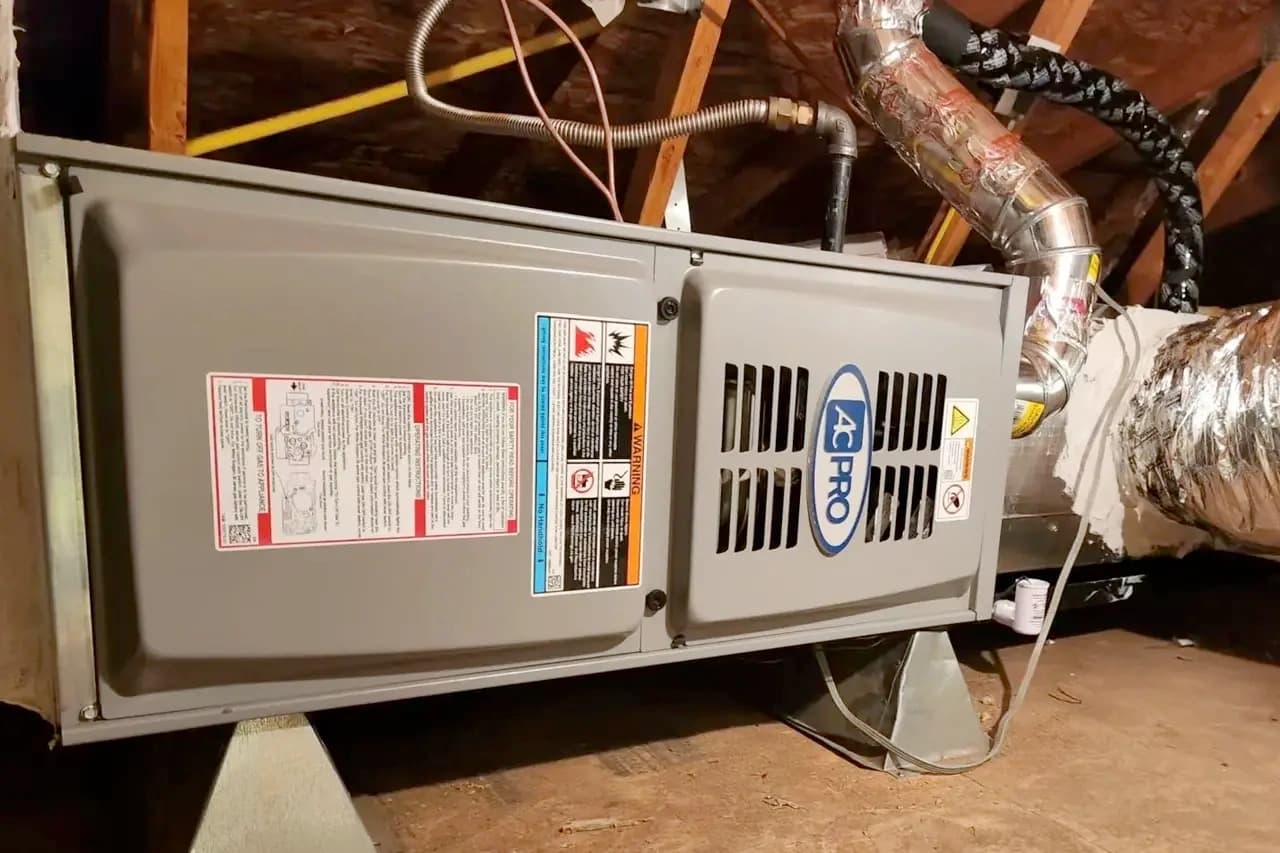
In most Riverside and San Bernardino county tract homes, the entire duct system lives in the attic. That means:
- Supply leaks dump expensive cold air into a space you don't occupy
- Return leaks pull 150°F attic air into the system, along with dust, insulation fibers, and rodent contaminants
- Flexible duct that sagged or disconnected twenty years ago may never have been noticed
A single disconnected 6-inch branch can dump hundreds of CFM into the attic — enough that a whole bedroom simply stops cooling.
Seven Signs You Have a Duct Problem
- Some rooms never reach the thermostat setting, no matter how long the system runs
- Your electric bill rose noticeably with no change in habits or weather
- The system runs constantly during afternoon peak but the house never quite gets there
- Visible dust accumulates fast around supply registers
- Rooms farthest from the air handler are consistently the worst
- You smell attic — dusty, insulation-like — when the system kicks on
- Supply air feels cold at the register closest to the unit and lukewarm at the far ones
The Ten-Minute Self-Check
- Turn the fan to ON at the thermostat
- Walk to every register and feel the airflow — note any that are weak
- If you can safely enter the attic, look for disconnected flex duct, crushed sections, and gray duct tape that has dried out and released (duct tape is not rated for ducts; mastic and foil tape are)
- Check that duct insulation is intact — compressed or torn insulation on a supply run condenses and degrades fast
What a Professional Test Measures
A duct blaster pressurizes the system and measures total leakage in CFM. California's Title 24 sets a threshold for what passes when you replace equipment — typically a single-digit to low-teens percentage of system airflow depending on the compliance path. Homes we test for the first time routinely come in at 25–35%.
We also measure static pressure at the same time. High static from undersized returns produces the same symptom as leakage — weak airflow — but the fix is completely different, which is why guessing is expensive.
Sealing vs. Replacing
Seal when: the duct material is in sound condition, runs are correctly sized, and the losses are at connections, boots, and the plenum. Aerosol or hand-applied mastic sealing typically runs $1,200–$3,000 for a standard tract home and recovers most of the loss.
Replace when: flex duct is 20+ years old and brittle, the system was badly sized from the start, rodents have compromised the runs, or the layout fights itself with excessive turns and undersized trunks. Full replacement typically runs $4,000–$9,000 and is best done alongside equipment replacement — see our 2026 AC cost breakdown.
What Sealing Ducts Actually Buys You
- 15–25% reduction in cooling runtime, which shows up directly on the utility bill
- Rooms that finally hold temperature — especially second-floor bedrooms, covered in our two-story cooling guide
- Measurably less dust, because return leaks stop pulling attic air into your living space
- Less equipment wear — a system that isn't fighting a 30% loss runs shorter cycles and lasts longer
Do This Before You Buy a Bigger System
Homeowners in Riverside and Jurupa Valley regularly call us convinced they need more tonnage. In a meaningful share of those cases the existing equipment was sized correctly and the duct system was throwing away the capacity. Sealing costs a fraction of replacement and often eliminates the complaint entirely. If you do end up replacing, you'll be sizing against a system that actually delivers what it produces.
Get Your Ducts Tested
Duct leakage testing and static pressure measurement are part of our full system evaluation. You get the numbers in writing along with a repair-versus-replace recommendation. See what a full evaluation includes or request a free assessment — call (951) 331-3310.
About the Author
Justin Jaszewski
Co-Founder & NATE-Certified Technician
Justin is the co-founder of It's No Sweat Heat & Air and a NATE-certified HVAC technician with over 25 years of hands-on experience across Moreno Valley and the Inland Empire. He leads the company's technical standards, trains every technician on the team, and personally inspects complex installations. Justin holds California HVAC license #1058772 and specializes in residential system design, load calculations, and energy-efficiency upgrades.